Neighborhood Window-Light Language Experimental Artifact
This is a Experimental & Mixed AI image prompt case, leaning toward 实验视觉, 物质转换, 概念验证. Copy the full prompt below and paste it into a free GPT image generator to create your own image with GPT Image-2 — swap the subject, brand, or aspect ratio as needed.
English full prompt
Produce a single finished image, “Neighborhood Window-Light Language,” so the viewer immediately understands showing the input, transformation rule, and practical use of “Neighborhood Window-Light Language”. Stage one real operation for Neighborhood Window-Light Language at a workbench or credible use site, making the artifact scale, handling method, and final placement unambiguous. Turn Neighborhood Window-Light Language into a manufacturable, usable artifact using a visible transformation in translucent window film, low-power light panels, and modular shutters, keeping the input trace readable in the finished object. Carry the starting color, texture, folds, measurements, or shape of Neighborhood Window-Light Language into the artifact made from translucent window film, low-power light panels, and modular shutters. Limit hands and tools to necessary transformation steps, and devote one close view to the way these precise materials are fixed, folded, embossed, woven, or activated for Neighborhood Window-Light Language. Present Neighborhood Window-Light Language as top-down flat lay alongside a numbered path, seen by a forty-five-degree overhead view combined alongside one close material macro. Present “邻里灯语系统” by means of original Chinese typography without covering action, structure, or physical matter detail. Maintain a unified color temperature within dusty rose, tea brown, pale apricot, and dark green, using local value contrast to expose the functional parts of translucent window film, low-power light panels, and modular shutters. Resolve Neighborhood Window-Light Language against a pale low-reflection ground, lit by directional light following the operation and organized through a near-orthographic and legible spatial relationship. In each individual close detail, display how translucent window film, low-power light panels, and modular shutters are fixed, folded, embossed, woven, or activated from raw input to finished artifact; use type hierarchy readable at mobile-thumbnail size and retain a manufacturable fabrication medium-experiment finish. Additional control: soft shadows close to supporting surfaces; occlusion follows the true front-to-back order. Use a low-saturation ground supporting the theme color, ensure macro detail and overall use remain mutually readable, and let one accent line trace the core path. Use a 53:29 primary-to-support grid for Neighborhood Window-Light Language, set the first node near 35 percent of the horizontal span, and divide labels into 3 short groups; preserve continuous negative space so local notes never overtake the main object. Omit unmanufacturable floating structures, meaningless screen interfaces, broken transformation logic, slogan-only concepts, or incorrect physical matter scale; each individual garment, tool, and environmental object needs to belong to the same setting. Return one 1:1 final image without variants or a process sheet. Final art direction: manufacturable material experiment photographed as a finished artifact in real use. Use this controlled palette as the dominant visual system: #2E3159, #A7CDD1, #D58B3D, #F1EBDD; preserve believable local material colors within it. Keep any text absent or minimal unless the source brief explicitly requires it; never add logos, signatures, or watermarks. Keep one unmistakable primary subject or information route and one readable visual action. Use disciplined negative space and avoid default perfect symmetry. Physical credibility is mandatory: correct gravity, contact shadows, material thickness, tool weight, joint loading, fabric tension, liquid direction, reflections, scale, and occlusion. Create an original visual with no resemblance to a public figure, copyrighted character, existing campaign, or living artist signature style. No unrelated decorative icons, floating objects, duplicated limbs, plastic gloss, waxy skin, synthetic collage artifacts, or AI watermarks. Return exactly one finished image composed for 1:1; no variants, process sheet, split panels, mockup frame, or contact sheet.
中文完整提示词
创作单张成片《邻里灯语系统》,令观者立即理解显出「邻里灯语系统」的输入、转换规则与实际用法。
在制作台或实际使用地点完成一次和「邻里灯语系统」直接相关的操作,明确表现成品尺寸、拿取方式和使用位置
把用窗灯组合传递低技术互助信号转化为可追踪的输入、变化和实体落点,转换前后的颜色、纹理或形状必须一一对应变成可实际制作和使用的实体,输入、变化过程以及最终成品在同一张图里可连续追踪
确保「邻里灯语系统」输入端的颜色、纹理、折痕、刻度或形状逐步进入半透明窗膜、低功耗灯片与可组合遮光格成品,工具与手势只需完成把用窗灯组合传递低技术互助信号转化为可追踪的输入、变化和实体最终状态,转换前后的颜色、纹理或形状必须一一对应所需步骤;近景专门表现这种材料如何固定、折叠、压印、编织或感应。
构图:俯视平铺加编号路径。
使用原创中文排版呈现「邻里灯语系统」,文字不压住行为、组织或物料细节。
配色采用豆沙粉、茶褐、浅杏与墨绿,半透明窗膜、低功耗灯片与可组合遮光格保持可信质感。
「邻里灯语系统」的网格采用 53:29 主辅比例,首要节点落在横向 35% 附近,标签划分为 3 个短组;留白连续,不使得局部说明抢走主对象。
排除无法制造的悬浮架构、无意义屏幕界面、断裂的转换关系、纯口号概念连同错误材料尺度,且让每件人物服装、工具和环境物件都属于同一场景。
成片为单张 1:1,不附过程页或变体。
Related cases
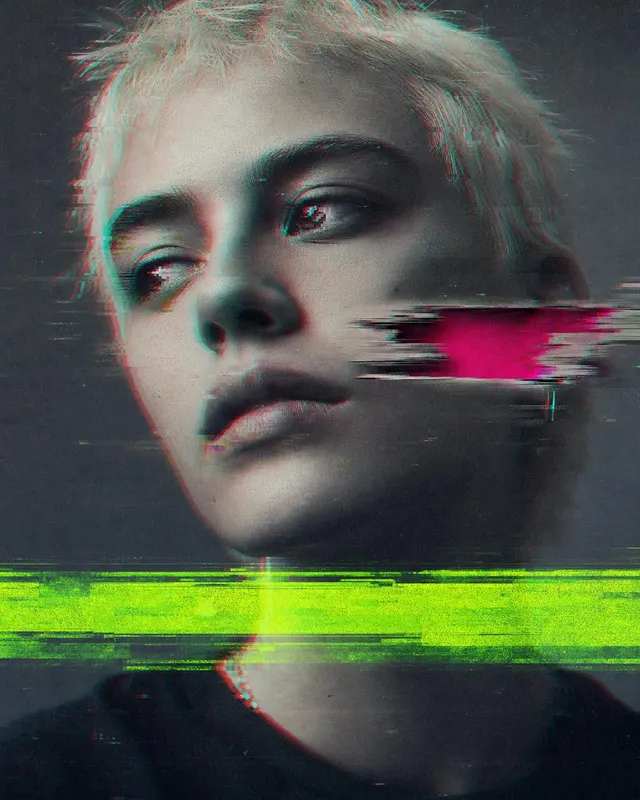
Glitch Portrait With Chromatic Shear
A close-up editorial portrait of an androgynous person with short bleached hair, captured as if a corrupted video frame frozen mid-decode. Composition fills the square canvas, eye…

Double Exposure Forest Stag
A double-exposure photographic illustration: the silhouette of a side-profile stag occupies the right two-thirds of a tall portrait canvas, head lifted, antlers reaching toward th…

Floating Island Tea Garden
A wide cinematic painting of a small islet floating in a pastel sky, anchored by nothing visible. The top of the islet is terraced like a Fujian tea garden, with neat rows of clip…

Melted Clock Desert Aesthetic
A horizontal oil-painted scene of a cracked salt-flat desert at very low sun. Across the foreground, three brass pocket watches sag and pour off the edges of a smooth basalt slab,…