Accessible Route Audit
This is a UI Mockups AI image prompt case, leaning toward UI, Infographic. Copy the full prompt below and paste it into a free GPT image generator to create your own image with GPT Image-2 — swap the subject, brand, or aspect ratio as needed.
English full prompt
Compose a “Accessible Route Audit” route-risk map in 4:5 so the operator can complete “筛查障碍位置” without leaving the screen. Use markers anchored to real positions, moving from pending objects to evidence and then to the final action; reading moves from pending object to evidence and then to the action area. Use 「障碍位置 46」「待复核 6」「完成率 91%」 to establish workload, with each reading opening its component records. Cover active, pending, and unavailable states through “障碍位置 46 / 可通行”“障碍位置 49 / 需绕行”“障碍位置 52 / 已封闭”, each with owner and evidence. Use a side-by-side detail for old value, new value, and collection method. After “筛查障碍位置,” refresh state; otherwise identify the exact field. Store photos and location offline, then compare versions after reconnection. The empty state explains how to create the first 筛查障碍位置, and filters isolate pending review. Combine mist violet, charcoal, and moon white, clear Simplified Chinese sans-serif type, and tabular numerals with simple line icons and prevent overlap at two-hundred-percent zoom. Give every chart a textual conclusion. Build an original product language without borrowing existing identity. Avatars and codes cannot point to reality, and the frame is not an advertisement. Keep cause, action, and updated status within one scan path for “Accessible Route Audit” after the operator chooses the action “筛查障碍位置”. On success, update the relevant total and display a compact timestamp without covering adjacent rows. Final art direction: original product interface design with clear hierarchy and credible interaction states. Use this controlled palette as the dominant visual system: #172B3A, #E8F0EE, #6DA58D, #D79A46; preserve believable local material colors within it. Preserve the requested text hierarchy and wording as part of the design, but do not invent extra slogans, pseudo-text, logos, or watermarks. Keep one unmistakable primary subject or information route and one readable visual action. Use disciplined negative space and avoid default perfect symmetry. Physical credibility is mandatory: correct gravity, contact shadows, material thickness, tool weight, joint loading, fabric tension, liquid direction, reflections, scale, and occlusion. Create an original visual with no resemblance to a public figure, copyrighted character, existing campaign, or living artist signature style. No unrelated decorative icons, floating objects, duplicated limbs, plastic gloss, waxy skin, synthetic collage artifacts, or AI watermarks. Return exactly one finished image composed for 4:5; no variants, process sheet, split panels, mockup frame, or contact sheet.
中文完整提示词
构建「无障碍路线排查」路线风险地图,比例 4:5,使操作者无需跳页即可完成“筛查障碍位置”。首屏采用路线折线、风险路段、现场照片、到达时间承载明细;阅读从待处理对象推进到证据,再抵达操作区,让“筛查障碍位置”保持主路径。用「障碍位置 46」「待复核 6」「完成率 91%」建立任务规模,点击读数即可查看构成项。列表用“障碍位置 46/可通行”“障碍位置 49/需绕行”“障碍位置 52/已封闭”覆盖正常、待处理和不可用状态,并补充负责人及证据。详情区以左右对照展示旧值与新值,并附采集方式。“筛查障碍位置”提交成功后刷新状态,失败时指出具体字段。网络中断时保存照片和位置,恢复连接后先比较版本,不打断障碍位置记录。空状态说明怎样创建第一条障碍位置,筛选器能单独查看待复核项。使用雾紫、炭灰与月白和简洁线性图标,确保 200% 缩放不重叠;图表旁提供一句文字结论。界面视觉自成体系,不能借用现有产品识别,围绕“筛查障碍位置”组织;头像与编号不可对应现实对象,也不做宣传海报。
Related cases
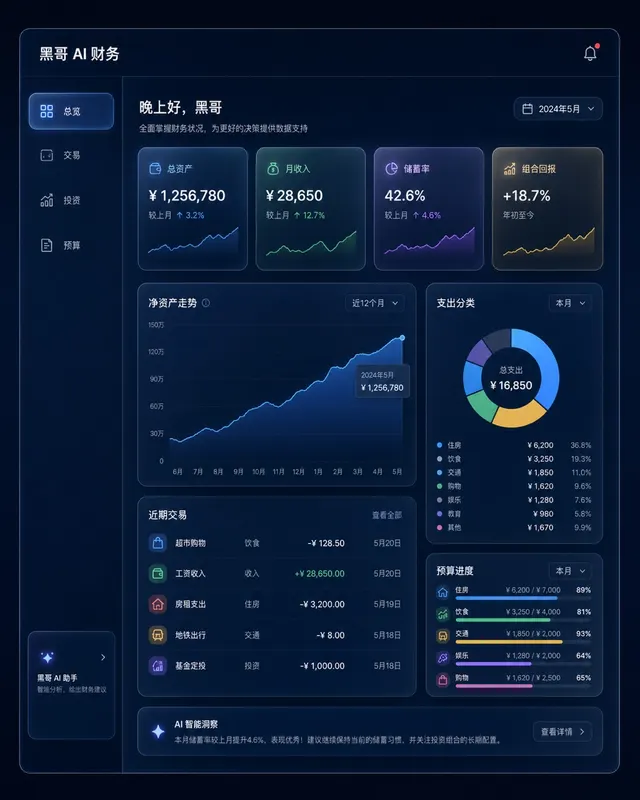
Dark Finance Dashboard Glassmorphism
A pixel-perfect desktop web app mockup of a personal finance dashboard rendered in glassmorphism style. The layout uses a dark navy background (#0D1117) with frosted-glass panels…
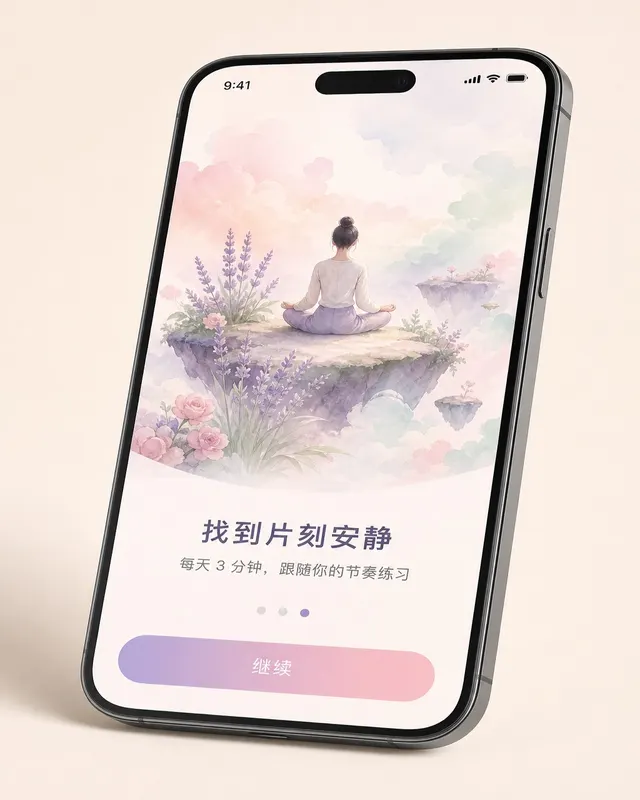
iOS Meditation App Onboarding
A pixel-perfect iOS 17 onboarding screen for a meditation app, shown in iPhone 15 Pro device frame at natural perspective with a slight tilt. The screen is the third of five steps…
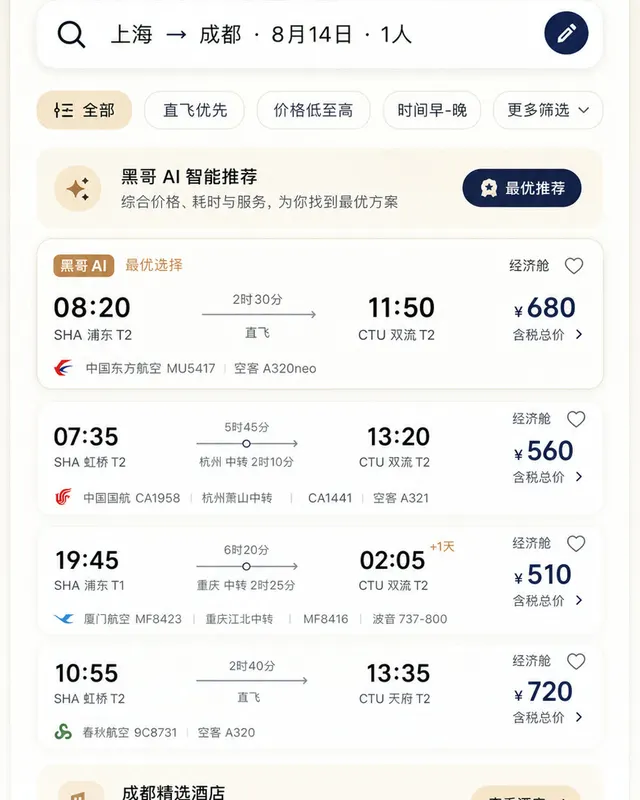
Material 3 Travel Booking App
A pixel-perfect Android mockup following Material Design 3 guidelines for a flight and hotel booking app in light mode. The screen shows a search-results list for flights from Tok…
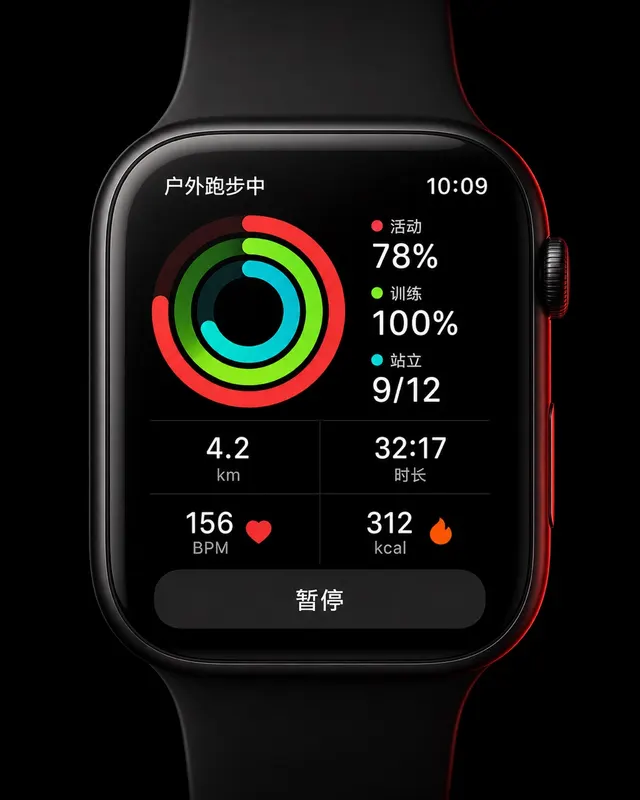
Apple Watch Workout Ring Screen
A pixel-perfect smartwatch UI mockup displayed on a 45mm square watch face with rounded corners and a black OLED background. The screen shows an active outdoor run workout. Three…